
BASF plans a semiconductor materials site in China, while Evonik completes a €52 million ($58 million) silicone expansion in Germany amid an unresolved takeover approach.
BASF and Evonik declared separate production investments Nov. 3, with BASF planning a new electronic materials production site in Nanjing, China, and Evonik completing a €52 million ($58 million) expansion of its silicone manufacturing platform in Essen, Germany. The developments come as Evonik persist to refuse entering formal takeover negotiations with BASF.
BASF signed an investment agreement with Nanjing Jiangbei New Area to establish the electronic materials facility in Nanjing Jiangbei New Area Materials High-Tech Park. The site will guide local manufacturing of materials for semiconductor production, along with technical services and client collaboration. BASF said the venture is a part of its strategy to enlarge regional manufacturing and supply capabilities. Startup is anticipated by the end of 2028.
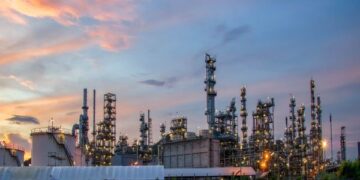
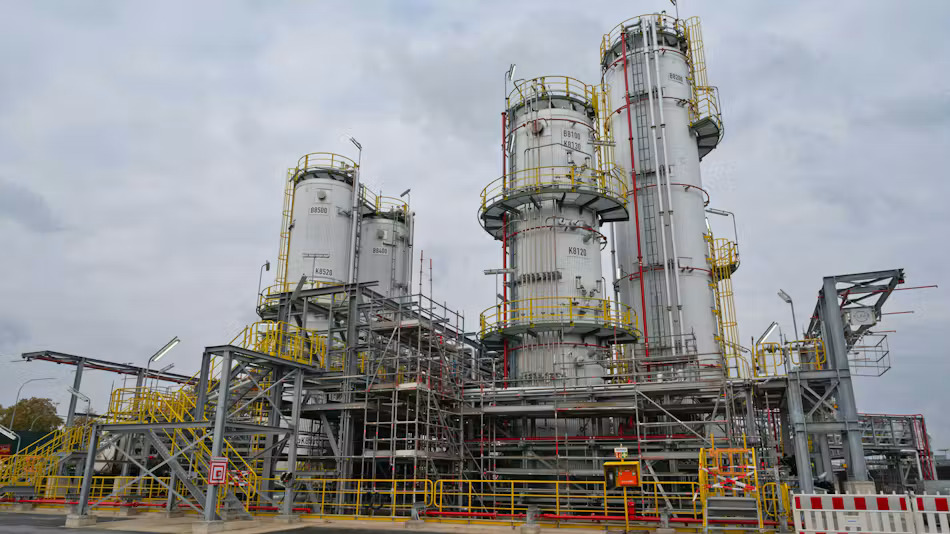
Separately, Evonik finished construction of a new manufacturing plant and tank farm at its Essen Goldschmidtstrasse site. The investment scale up manufacturing capacity for organomodified silicones, additives used in polyurethane foams for insulation, mattresses and automotive seating, as well as adhesives, coatings and personal care products.
The expansion also consists of logistics improvements linking current manufacturing assets. A latest 150-meter pipe bridge links 4-production units and 15-production assets to the tank farm. 5-stainless steel storage tanks, the tallest measuring 24 meters, offers additional storage for raw materials. Evonik said the configuration decrease the need to transport intermediates and completed products between sites and reduces reliance on short-term deliveries.
The venture was completed while the Essen facility stayed operational. The site is a part of Evonik’s international silicone manufacturing network, which also consists of facilities in Germany, Italy, China and the United States.
Evonik also reported on Nov. 3 stronger third-quarter outcomes, with adjusted EBITDA rising 40% year over year to €629 million. The company anticipates full-year earnings to attain the upper half of its €2 billion to €2.2 billion guidance range. Higher volumes and selling prices supported the outcomes, at the same time as capacity utilization for high-performance polymers increased in response to improved demand.
The production declarations come as the 2-comapnies stay at odds over BASF’s proposed acquisition of Evonik. On Oct. 30, Evonik’s executive board said it would not enter into formal negotiations following a letter from BASF expressing interest in making a voluntary public takeover offer. Evonik said it stays centered on developing as an independent company but is willing to participate in a confidential, informational exchange with BASF.
As reported Oct. 23, BASF had reportedly extended its proposed offer to about €24 per share, valuing Evonik at more than €11billion, as per the people familiar with the transaction cited by German news agency dpa. BASF also pledged to maintain employment protections through 2032 and maintain key German sites and research operations under a potential acquisition.
Why it Matters
Both investments goal specialized materials markets with significant production and supply-chain needs. Global semiconductor materials sales elevated 6.8% to $73.2 billion in 2025, as per the industry association SEMI, with China accounting for $15.6 billion of the market. BASF’s planned Nanjing facility adds to local production capabilties serving that industry.
At Evonik’s Essen site, the investment targets on integrating manufacturing and storage infrastructure to decrease material transfers between facilities and improve supply coordination. The venture also shows how existing chemical manufacturing sites can add capacity and upgrade logistics infrastructure while maintaining ongoing operations.
BASF anticipates the Nanjing facility to start operations by the end of 2028. The company did not reveal the investment amount or planned manufacturing capacity. Evonik has not revealed the additional annual manufacturing capacity resulting from its Essen expansion.