
The Union Cabinet has approved the Bhavya Rasayan Scheme (Bharat Audyogik Vikas Yojana Rasayan) with a financial outlay of Rs. 3,030-crore to set up 3 dedicated chemical parks across the nation, targeting to reinforce India’s chemical production ecosystem, attract investment, and decrease import dependence.
The scheme, declared within the Union Budget for FY27, will run for 5 years from FY2026-27 to FY2030-31. Of the whole outlay, Rs. 3,000-crore has been earmarked for constructing common infrastructure and basic utilities in the parks, while Rs. 30-crore has been allocated for administrative expenses.
Under the scheme, the Centre will offer grants up to Rs. 1,000-crore for each park, subject to a minimum contribution of Rs. 500-crore from the respective state government.
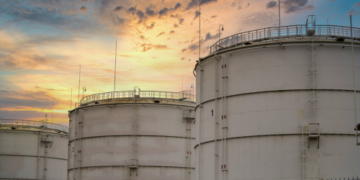
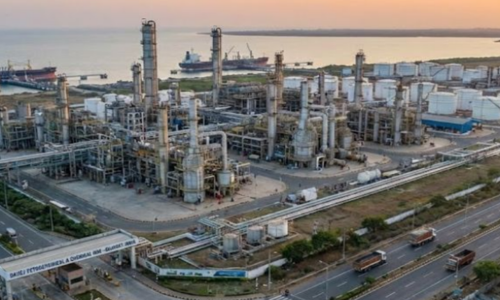
The 3 parks will be selected via a challenge-based aggressive process, with each needed to have a minimum contiguous area of 8 square kilometres (2,000 acres) of encumbrance-free land. They will provide plug-and-play infrastructure for chemical producers, together with common effluent treatment plants, treatment, storage and disposal centers, water supply and distribution systems, solvent recovery and distillation units, steam generation and distribution networks, interconnected pipelines, and logistics and warehousing facilities.
The government stated that the scheme was formed to assist the development of upstream, downstream, and ancillary chemical industries while lowering logistics costs through shared infrastructure, and would assist enhance India’s incorporation into global price chains, boost exports, inspire import substitution, and reinforce the sector’s global competitiveness.
Shared infrastructure could lower operational expenses for producers by 20-30%, the government stated, at the same time as centralized facilities for hazardous and non-hazardous waste management could assist improve environmental compliance and support eco-friendly industrial development.
The chemical parks are anticipated to advantage a range of downstream sectors, including agriculture, textiles, pharmaceuticals, nutraceuticals, construction, automobiles, and electronics, in line with the government’s Viksit Bharat 2047 vision and its broader Atmanirbhar Bharat goal.