
The annual award honors customers that implement release prevention protocols, corrective action plans and obtain zero non-accident launch of regulated hazardous materials shipments.
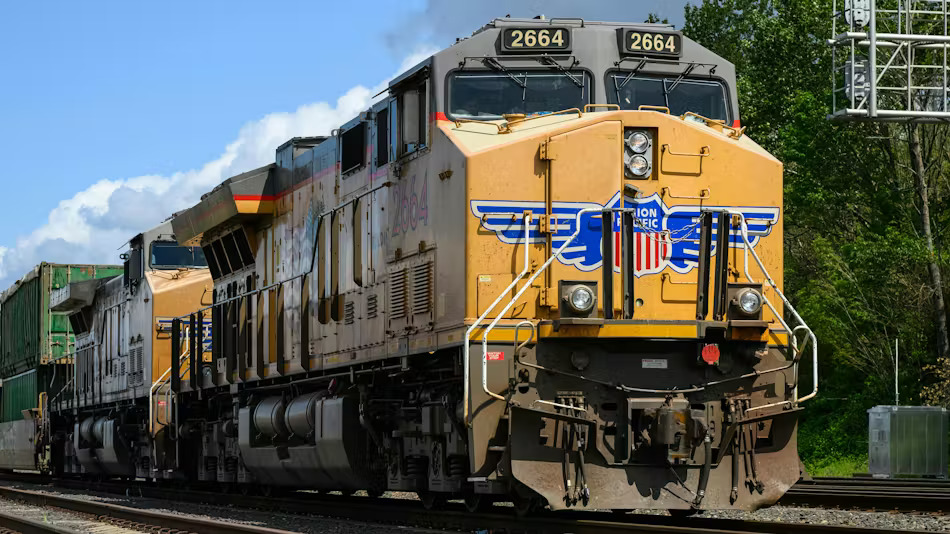
Union Pacific Railroad recognized 138 companies with its 2025 Pinnacle Award for their commitment to safely transporting chemicals and other hazardous materials by rail, the company declared.
As per the Union Pacific, 99.99% of hazmat shipments transferred by U.S. freight railroads arrive safely. The railroad’s Hazardous Materials Safety team supports award recipients and other customers by joint rail safety training programs and rail car inspections, operating across Union Pacific’s 23-state network with a focus on prevention, preparedness, response and recovery.
“Congratulations to our Pinnacle Award recipients, who set the standard for safely shipping hazardous materials,” said Kenny Rocker, Union Pacific executive vice president of Marketing and Sales. “Safety is a shared responsibility, and these customers show a robust commitment to protecting communities while keeping the rail network moving safely.”
Among the 2025 recipients with considerable chemical processing operations are Arkema, Ascend Performance Materials, Celanese, CF Industries, Chemtrade Logistics, Chevron Phillips Chemical, Cornerstone Chemical, Dow, DuPont, Eastman Chemical, Evonik, ExxonMobil, Formosa Plastics, Huntsman, Indorama Ventures, Ineos, LyondellBasell, Mitsubishi Chemical Group, Nouryon, NOVA Chemicals, Nutrien, Olin Corporation, OxyChem, SABIC, Shintech Louisiana, Solvay Chemicals, Syensqo, Synthomer, The Chemours Company, TotalEnergies and Valero, among others. A full list of recipients is available at UP.com.
The Pinnacle Award recognition comes amid broader industry discussion between chemical rail safety and transportation costs. Chemical Processing currently spoke with Eric Byer, CEO of the Alliance for Chemical Distribution, about rail consolidation concerns, demurrage fees and the pending Norfolk Southern/Union Pacific merger application — and what those developments could mean for chemical shippers across the supply chain.