
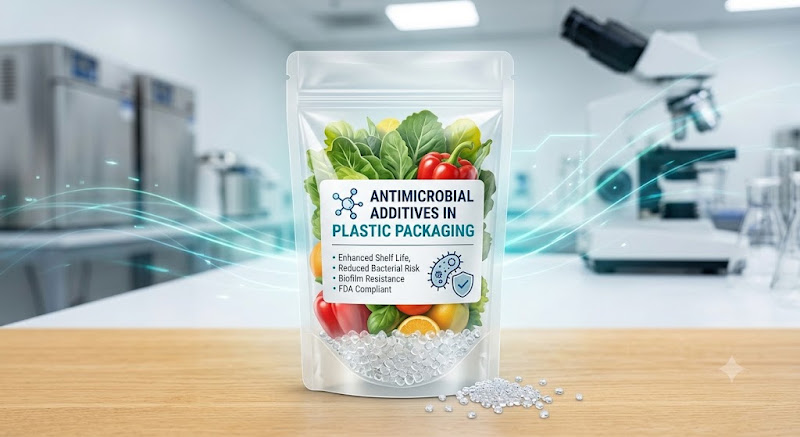
The way consumers are thinking about hygiene has changed significantly in recent years. After a pandemic, people have become more careful about product safety, cleanliness, and the materials used in everyday packaging. If it’s packaged food, beverages, pharmaceuticals, or personal care products, customers expect packaging to do more than simply protect the product; they expect it to provide a safer experience.
For manufacturers, growing demand has created new problems. Bacteria, fungi, and other microorganisms can affect plastic packaging during manufacturing, logistics, storage, and retail. While packaging cannot replace proper sanitation methods, combining antimicrobial additives with plastics reduces microbial growth on their surfaces, resulting in cleaner packaging throughout its lifecycle.
Manufacturers are meeting these evolving hygiene expectations with solutions like MICROFIGHT that also increase packaging performance, improve product quality, and improve brand trust in the market. In this blog post, we will look at the ways antimicrobial technologies are changing new plastic packaging and why they are important for FMCG businesses.
Why Hygiene Matters More Than Ever in Plastic Packaging
Today’s consumers carefully consider product safety before making a purchase. Plastic packaging is frequently the first thing they touch, so its cleanliness is an important part of the complete customer experience.
Plastic packaging is widely used in the food and beverage industry, pharmaceutical organizations, and personal care brands due to its lightweight, durability, and low environmental impact on nature. When exposed to polluted environments, plastic surfaces can become sites for microbial growth.
This is why many manufacturers require antimicrobial additives in their packaging materials. These food-packaging hygiene additives work within the plastic structure to stop the growth of bacteria and other microbes on the packaging surface, thereby ensuring cleaner packaging during storage and distribution.
Instead of treating hygiene as an afterthought, businesses are incorporating it into the packaging itself.
How Antimicrobial Additives for Plastics Improve Packaging Performance
Antimicrobial additives for plastic are incorporated during the manufacturing process, unlike surface sprays or temporary coatings. They are made of plastic material, providing durable protection throughout the product’s life.
Manufacturers mainly use an antimicrobial masterbatch, which contains antimicrobial agents pre-dispersed within a polymer carrier. During plastic processing, this masterbatch blends with the base resin, allowing the antimicrobial properties to spread evenly throughout the product.
Some key advantages include the following:
- Reduces microbial growth on plastic surfaces
- Supports cleaner handling during transportation and storage
- Provides long-term antimicrobial performance
- Compatible with multiple plastic processing methods
- It helps maintain product quality during distribution
This integrated approach makes antimicrobial technology far more durable than external disinfectant treatments that may wear off over time.
The Role of Biofilm-Resistant Plastic Packaging
Biofilm formation is one of the main issues in packaging environments.
When microorganisms contact a surface and form a protective layer that makes them more difficult to remove with standard cleaning, a biofilm forms. Biofilms have the potential to become persistent sources of contamination once established.
Microorganisms are likely to form protective layers on packaging surfaces when biofilm-resistant plastic packaging is used.
This offers many operational benefits:
- Improved cleanliness throughout the supply chain
- Reduced microbial buildup on frequently handled packaging
- Better hygiene during storage and transportation
- Lower maintenance requirements for reusable plastic containers
- Increased confidence in long-term packaging performance
For industries that prioritize hygiene, biofilm resistance has become an increasingly valuable packaging feature.
Why FMCG Brands Are Investing in Antimicrobial Packaging
Fast-moving consumer goods (FMCG) businesses work in fiercely competitive markets where consumer trust is crucial to buying decisions.
Beyond protecting products, hygienic packaging provides many business benefits.
Some of the key business benefits include:
Enhanced Consumer Confidence
Consumers are beginning to identify higher-quality products with hygienic packaging. Cleaner packaging strengthens brand credibility and makes a good first impression.
Improved Shelf-Life Support
While antimicrobial packaging does not directly preserve food, clean packaging surfaces help to maintain overall product quality during transportation and retail display by reducing microbial growth on the packaging.
Reduced Packaging Contamination Risk
Contamination risk increases with frequent handling during manufacturing, shipping, and retail. Microbial accumulation on packaging surfaces is reduced by antimicrobial technology.
Stronger Brand Differentiation
Brands that use antimicrobial packaging can present themselves as innovators committed to consumer safety, as hygiene becomes a significant factor in consumer decisions.
Choosing the Right Antimicrobial Solution for Plastic Packaging
The antimicrobial technology needed for each packaging application varies. The product being packaged, processing technique, legal requirements, and anticipated service life all influence the optimal solution.
The following factors should be taken into account by manufacturers when choosing an antimicrobial solution:
Plastic Compatibility: Ensure the additive is compatible with the specific plastic resin used.
Application environment: Ascertain whether the packaging will be subjected to difficult storage conditions, high humidity, or frequent handling.
Regulatory compliance: Make sure the additive complies with applicable industry-specific and food-contact regulations.
Performance durability: Select additives that will remain effective throughout the packaging’s planned life.
Manufacturing efficiency: Choose solutions that are easy to integrate into existing production processes without compromising final product quality.
Collaborating with a seasoned supplier of antimicrobial technology ensures that the chosen solution aligns with both technical and business goals.
The Future of Hygienic Plastic Packaging
The expectations of consumers are still changing. Packaging is now expected to contribute to hygiene, safety, and overall product quality in addition to containing and protecting a product.
Antimicrobial technologies are anticipated to become more significant across industries as sustainability, smart packaging, and hygiene become key components of packaging innovation. Early adoption of these solutions will put manufacturers in a better position to comply with evolving regulations, boost consumer confidence, and set themselves apart in crowded markets.
Antibacterial polymer coating, food-packaging hygiene additives, and biofilm-resistant plastic packaging are examples of technologies that are no longer considered niche innovations. They are turning into useful options for companies looking to provide packaging experiences that are safer and more dependable.
Conclusion
The pandemic permanently changed consumer perceptions of product hygiene, making clean and dependable packaging a primary expectation rather than an added benefit. Also, manufacturers are seeking smarter ways to enhance packaging performance while maintaining efficiency.
Businesses that incorporate antimicrobial additives for plastics can help reduce microbial growth on packaging surfaces, promote cleaner handling throughout the supply chain, and increase consumer trust. When combined with technologies such as antimicrobial masterbatch, biofilm-resistant plastic packaging, food-packaging hygiene additives, and antibacterial polymer coatings, these solutions provide a comprehensive approach to modern packaging hygiene.
For businesses looking to stay ahead of evolving market expectations, MICROFIGHT offers an advanced antimicrobial solution that seamlessly integrates into plastic manufacturing processes while delivering long-term performance. Investing in hygienic packaging today not only improves product quality but also boosts your brand’s reputation in a market where safety and consumer confidence are more important than ever.